
Nosy Iranja: The Vanishing Path Between Two Islands
Two islands become one at low tide, connected by a ribbon of white sand. Nosy Iranja offers a pure coastal escape, centered on tidal rhythms and marine life.
Two islands become one at low tide, connected by a ribbon of white sand. Nosy Iranja offers a pure coastal escape, centered on tidal rhythms and marine life.
The tide pulls back, and the Indian Ocean reveals its secret: a two-kilometer path of white sand, rising from the turquoise water to connect two islands that were, moments before, separate worlds. This is the singular rhythm of Nosy Iranja.
THE LANDSCAPE
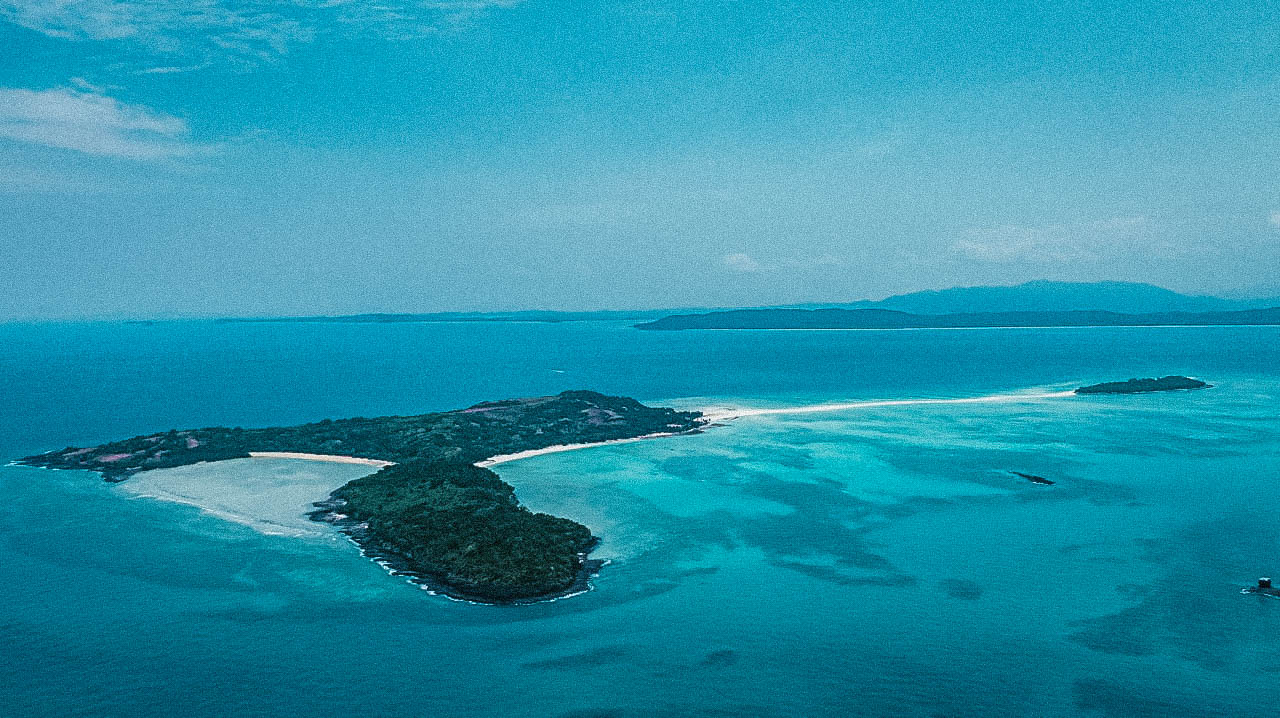
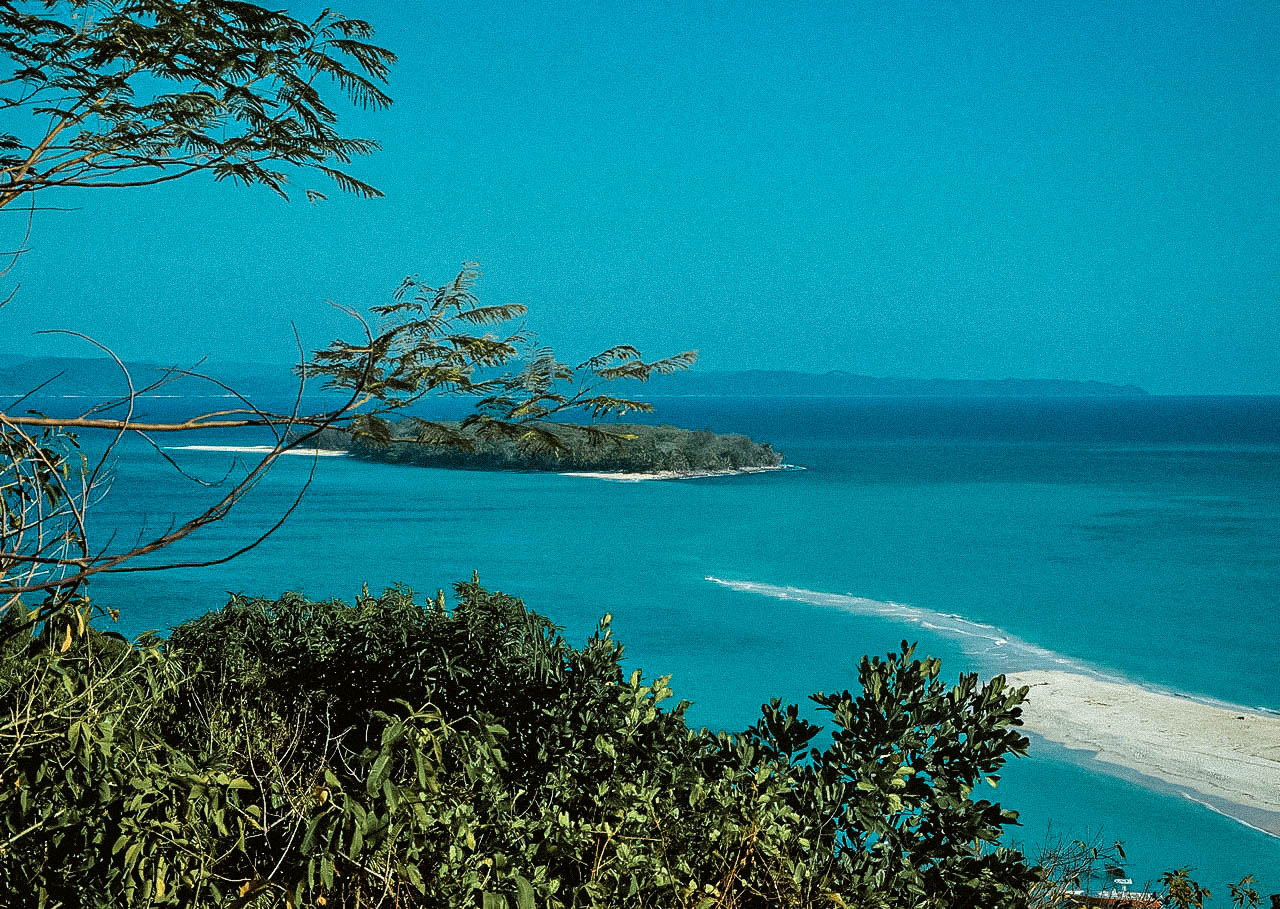
Nosy Iranja is not one island, but two distinct landmasses joined by a tidal isthmus. The larger, Nosy Iranja Be, holds a small fishing village and a quiet, settled life anchored by a historic lighthouse. Its smaller counterpart, Nosy Iranja Kely, is almost entirely wild—a sanctuary of white sand and coastal forest reserved for nesting sea turtles. The defining feature is the sandbar itself. At high tide, it disappears completely, leaving two green mounds in a vast expanse of blue. As the water recedes, a brilliant white causeway appears, inviting you to walk between them. The water here possesses a particular clarity, shifting in color from deep sapphire to pale aquamarine, its character dictated entirely by the sun and the depth of the reef below. The air is heavy with salt and the scent of the sun on warm sand; the only sounds are the gentle lap of the lagoon and the distant cries of sea birds.
THE EXPERIENCE
A day at Nosy Iranja is governed by the ocean. The trip begins with a boat transfer from Nosy Be, timed to coincide with the falling tide. Arriving as the sandbar materializes feels like watching a landscape being drawn in real time. The primary activity is the walk itself—a slow, deliberate crossing from the inhabited island to the wild one, with water lapping at both sides. On Iranja Kely, the atmosphere is hushed, a place where hawksbill and green turtles come ashore to lay their eggs. While sightings of nesting are rare and carefully managed, the sense of the island as a crucial marine nursery is palpable. The day can include snorkeling in the calm, fish-rich lagoon or a walk up to the lighthouse on Iranja Be for a commanding view of the sandbar and the surrounding sea. Lunch is often a simple, fresh meal of grilled fish, served in the shade of a palm tree, before the rising tide signals it is time to depart.
THE SEASON
The most reliable window for visiting Nosy Iranja is during the dry season, from May through November. During these months, the sea is typically calm, the sky is clear, and the conditions for boating and swimming are optimal. This period offers the highest probability of a comfortable crossing and a full day to appreciate the islands. The shoulder months of April and December can also be rewarding, often with fewer visitors, though the chance of a brief afternoon shower increases. From July to September, the boat transfer from Nosy Be may be accompanied by sightings of humpback whales migrating through the channel. The main rainy season, from January to March, sees rougher seas and more frequent storms, which can make the boat crossing less predictable. Most programs avoid this period, as high winds and strong currents can lead to cancellations and compromise the safety and enjoyment of the day.
FOR PROGRAM DESIGNERS
Nosy Iranja is for the traveler who wants to witness a pure, elemental expression of the Indian Ocean. It works exceptionally well for couples, small groups, and as a standout relaxation day within a larger incentive program. This is not a place for complex logistics or a packed schedule; its value lies in its simplicity and the powerful visual of the tidal sandbar. The day trip format from Nosy Be makes it an accessible highlight, a punctuation mark of coastal calm after days of travel in the highlands or forests. The primary operational constraint is the tide. The experience of walking the sandbar is entirely dependent on the low tide window, which dictates the departure and return schedule. A program that fails to account for this will miss the central point of the visit. Private charters are advisable, as they allow for maximum flexibility to align with the day’s specific tidal chart.
- Consider: Building the day’s timing explicitly around the low tide schedule to guarantee the sandbar walk.
- Anchor: The visit as a full-day excursion from a hotel base on Nosy Be, framing it as a day of marine immersion and relaxation.
- Pair: With lemur-spotting in the Lokobe Reserve or a spice tour on Nosy Be to create a diverse regional itinerary.
- Plan: For a private boat charter, which enables a more tailored pace than a group tour, allowing guests to linger or leave as they wish.
Planning a program in Madagascar? Our ground team can walk you through the operational constraints before you brief your client.
Submit a brief →